Cataract surgery
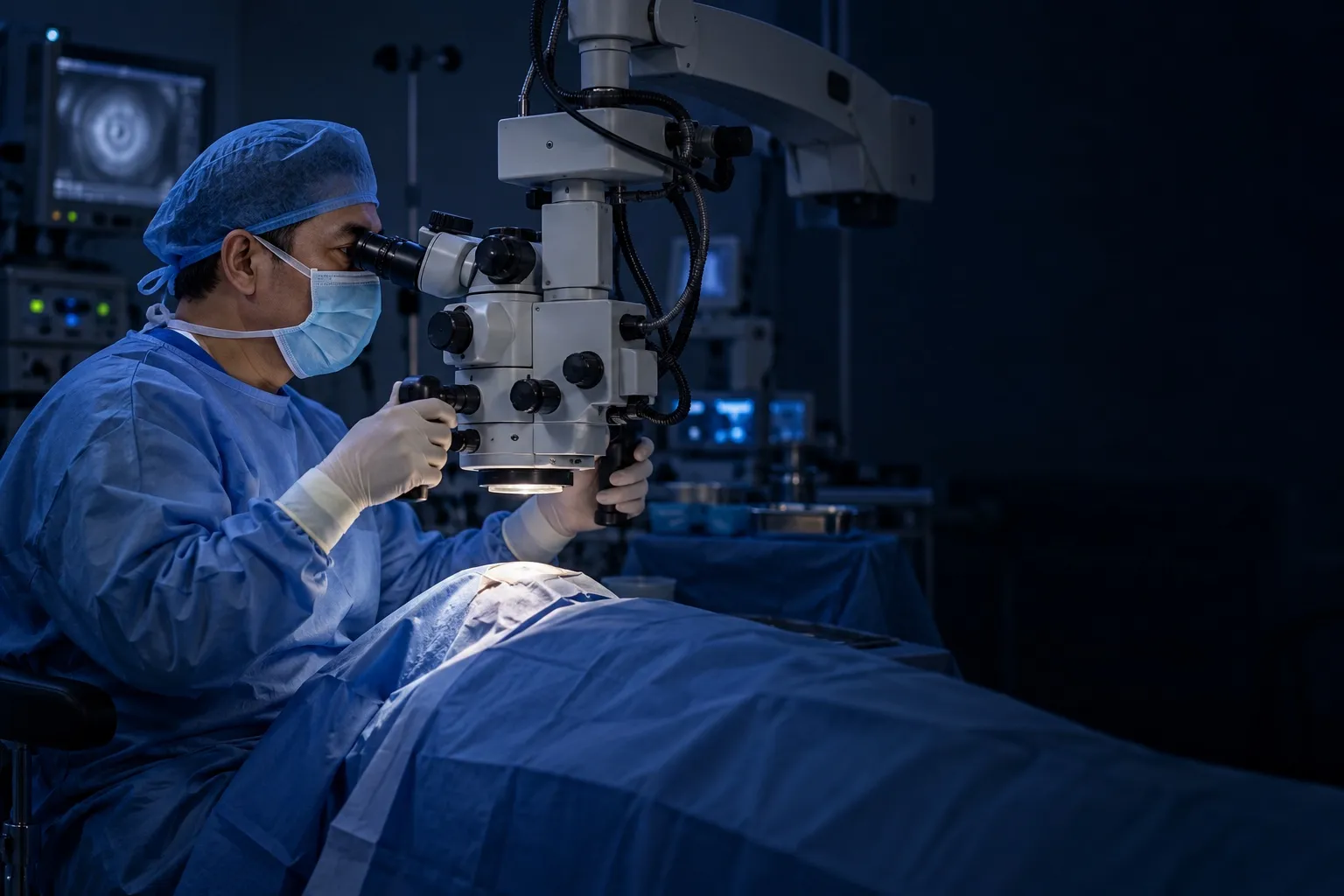
The clouded lens is removed and replaced with a clear one. A day procedure under numbing drops.


Surgery for cataract, glaucoma and other eye conditions, on EDSA in Mandaluyong since 2002.
Book a cataract consultationThe lens inside your eye slowly clouds with age, and the world starts to look dim, blurred or washed out.

Surgery is considered when a cataract gets in the way of reading, driving or work. There is rarely a rush, and you decide together with your surgeon.
The clouded lens is removed and replaced with a clear one. A day procedure under numbing drops.
The new lens stays for life. The type you choose decides how much you need glasses afterwards.
When drops or laser are not enough, surgery opens a new path for fluid to drain and lowers eye pressure.
Surgical care for other eye diseases, planned after a full examination. List to be confirmed.
Your new lens stays for life. Here is what each type is for.
Clear at one distance, usually far
Reading glasses are usually still needed
The most common choice, with the fewest night-time side effects.
Clear at one distance, and corrects astigmatism
Reading glasses are usually still needed
For eyes with astigmatism, which blurs vision at every distance.
A range of distances, from far to near
Many people need glasses less often
Some people notice halos around lights at night, especially at first.
A first talk with your surgeon about your eyes and what you want to see again.
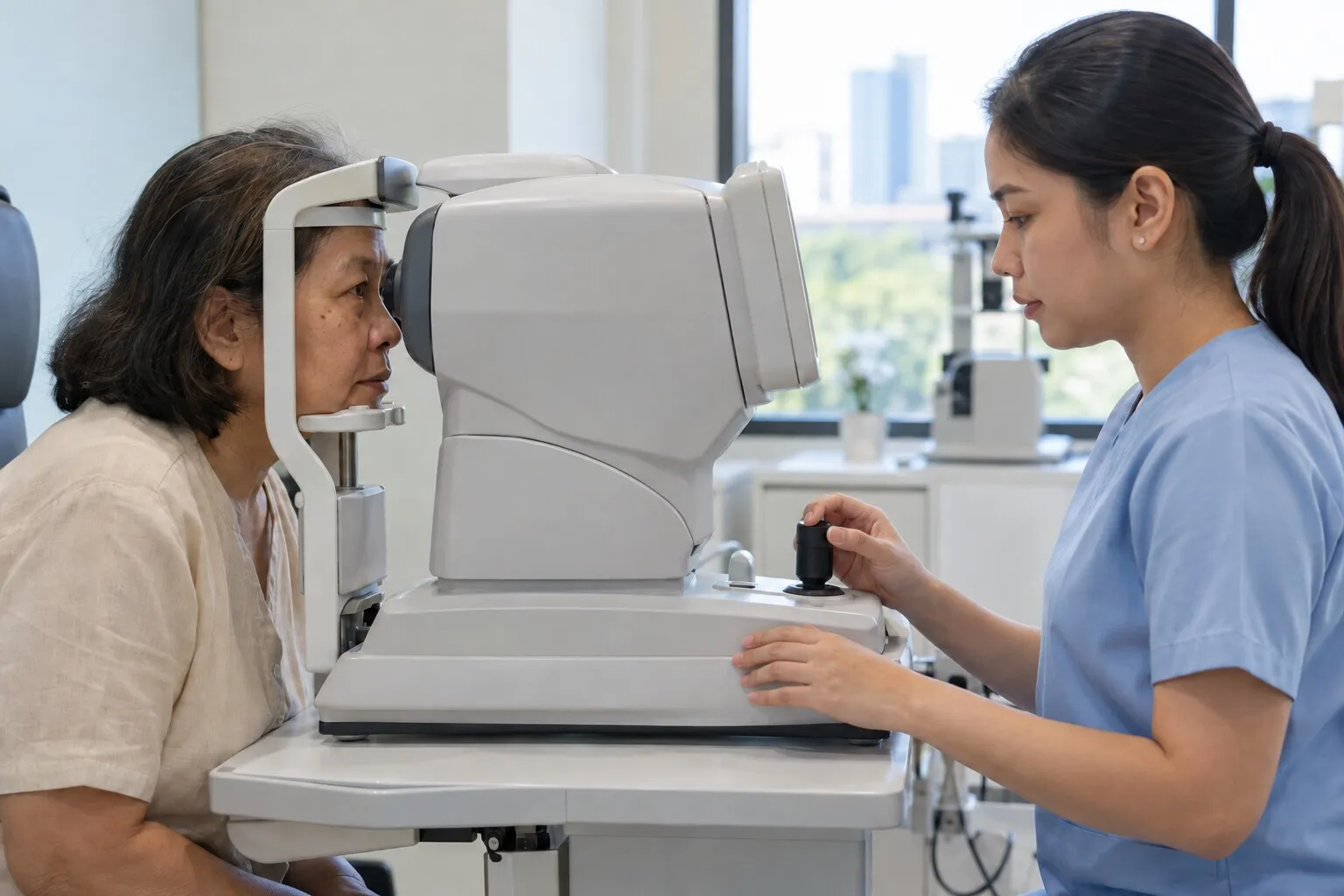
Your eye is measured so the right lens power can be chosen.
You choose a lens, set a date and get instructions for the days before.
A day procedure under numbing drops. Bring someone to take you home.
Check-ups and eye drops over the following weeks. A second eye is done on another day.
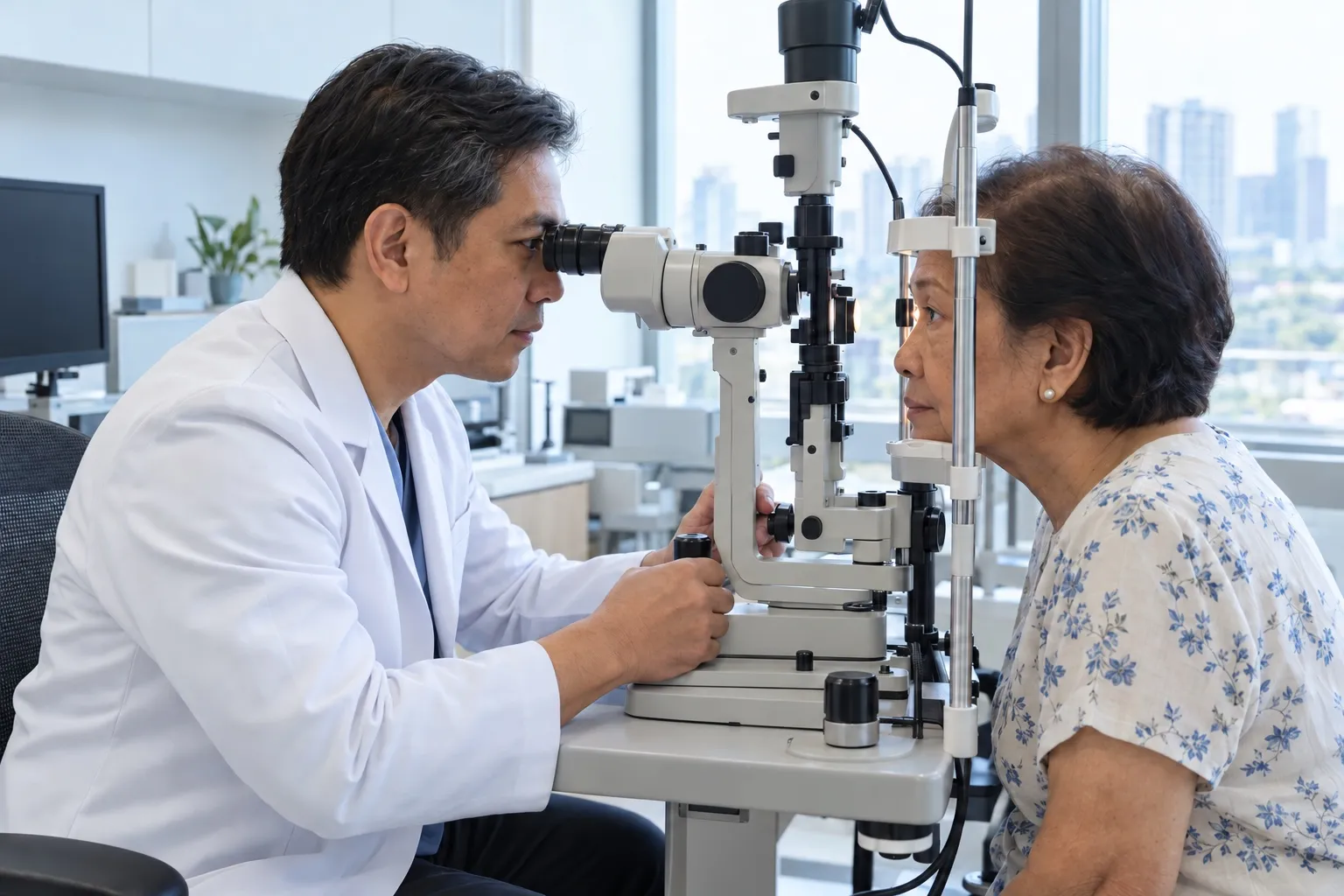
The eye is numbed with drops, and sometimes a mild sedative is given. Most people feel some pressure, not pain.
Many people see better within a few days. Full healing takes several weeks, with follow-up visits along the way.
Usually not. Each eye is treated on a separate day, so the first can settle before the second.
It depends on the lens you choose. With a monofocal lens most people still need reading glasses.
The lens itself does not cloud again. Months or years later the capsule behind it can turn hazy; a short laser treatment clears it.
Coverage depends on your plan. Our team can help you check before your procedure.
An examination and a plain talk. Nothing is decided until you are ready.
Book a cataract consultationMay we use Google Analytics to count page visits and consultation link clicks? We do not send your form details. You can change your choice in Analytics settings. Read our privacy notice.